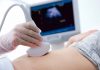



By this week, your pregnancy is confirmed. If you are in pregnancy week 5, you will experience the same symptoms as last week.
There are various changes that takes place in your body and your baby’s development.
What are the physical changes that occur in your body during pregnancy week 5?
Still, your body is adjusting to the hormones that are released during your pregnancy. Probably you will experience the same symptoms as last week.
Some can experience greater change in their areolas, which become dark.Don’t worry about this condition, it is perfectly normal. This is the result of hormonal changes in your body.
Your body works for 9 months in order to develop a special new life. You can experience tiredness and unusual irritability. This is the result of improved metabolism and developing uterus. Sleeping in a good sporting bra can help to feel good. Don’t worry about the developing breasts, they stop growing within the next 3 weeks.
You will frequently experience morning sickness during pregnancy week 5. Actually this is a misnomer. Some women can experience it throughout their pregnancy period, but most of the time you will be free from morning sickness by the end of first trimester. This condition becomes worse when you feel empty stomach.
Basically pregnancy tests look for a hormone in your blood or urine that only exists when you are pregnant.
This hormone is called as human chorionic gonadotropin (hCG), also it is called as pregnancy hormone.
This hormone is developed in your body when the fertilized egg implants in your uterus.
This only occurs 5-6 days after conception. But, according to the studies, implantation of embryo will not take place until later in some women.
Most of the home pregnancy tests declare that they can confirm if you are pregnant immediately on the day you suppose the periods.
But, according to the recent studies, the home pregnancy tests will not give accurate results that much earlier in pregnancy. They only confirm accurately only after one week of your missed periods.
Usually, home pregnancy tests can be quite accurate. The accuracy of these tests will depend on various things. They include: How you use, when you use, who uses, and the brand of test.
- When you are using the test kit, make sure you follow the directions correctly. Also, check the expiration date before using the kit.
According to an analysis of data from a Danish study, exposure to certain maternal infections in the womb increases the odds of epilepsy in childhood.
Among the infections cited were vaginal yeast infection, cystitis, and pyelonephritis (inflammation of the kidney and upper urinary tract).
Of the maternal conditions evaluated, pyelonephritis, cystitis, diarrhea, coughs lasing longer than one week, and vaginal yeast infection were all linked to epilepsy.
In preterm infants, the relative risks ranged from 1.23 for diarrhea to 2.56 for vaginal yeast infections.
Exposure to cough during pregnancy increased the risk of epilepsy only during the first year of life.
The Researches reported that herpes, genital herpes and venereal warts did not significantly increase the odds of epilepsy.
According to the researchers; long term studies can shed more light on link between maternal infections and epilepsy risk.
Source: Reuters
Usually, the term gestational trophoblastic disease (GST) is a group of several conditions.
All the conditions lead to abnormal growth of cells inside your uterus.
This disease is a quick developing form of cancer and it affects your uterus after the pregnancy, or lead to abortion or a miscarriage.
Gestational trophoblastic disease is usually a metastatic disease, i.e. it can spread to any other places in your body. This disease is also referred to as choriocarcinoma. This is almost a curable disease.
Usually, gestational trophoblastic disease starts in the layer of cells called as trophoblast, which bound the little embryo. There are four types of conditions associated with GST, such as:
- Choriocarcinoma
- Persistence/invasive gestational trophoblastic disease
- Complete/partial hydatidiform mole
- Placental site trophoblastic tumors
Risk factors associated with Gestational trophoblastic disease:
- This condition can affect you at any age, but it is more common in pregnancies after 40 years of age or below 15 years.
- Gestational trophoblastic disease also has an increased risk of multiple pregnancies.
- 50% of cases with this condition had a chance for molar pregnancies.
At the end of this week, you are waiting for your periods to come. You can suspect your pregnancy, if you don’t get your periods.
In order to confirm your pregnancy, you can perform a simple test by yourself.
This test involves measuring the levels of hCG. If the level is greater than normal, then it is positive, which means that you are pregnant.
Physically you will not notice any changes in your body; you don’t gain any weight because your baby is so little at pregnancy week 4.
What are the physical changes that occur in your body during pregnancy week 4?
During this week, you will feel differently than the previous weeks. There is a greater increase in your pregnancy symptoms. Physically, you can experience the following symptoms:
- Missed periods
- Morning sickness
- Vomiting
- Bloating
- Frequent urination
- Headache
- Nausea
- Light cramping
- Feeling full
- Poor appetite
- Breast tenderness
- Getting tired very soon
You will suffer from morning sickness at any time of the day. But, most of the pregnant women will not experience this until their 6th week of pregnancy. This is due to various changes that take place in your body.
Pregnancy is the period during which your body undergoes various changes, because it is the time for your baby nourishment.
You need more rest, energy and nutrients for the baby’s growth during your pregnancy.
Effects of type 1 or type 2 diabetes on you:
- You need to be physically active. If you are a pregnant with diabetes, then there are greater chances in your body’s blood sugar to increase more often and more quickly.
- If you cannot control your blood sugar levels, then you will get some of the most common issues of diabetes or those issues become worse if you already have.
- Uncontrollable blood sugar levels can lead to miscarriage. Sometimes, this can also cause a great rise in blood pressure during your pregnancy.
- High blood pressure during pregnancy can cause your baby to born sooner or causes strokes or seizures at the time of labor and delivery.
- Uncontrollable blood sugar leads to deposit large amounts of amniotic fluid around the baby, thus leading to preterm labor.
- The other problem common to women with uncontrollable diabetes lead to too much growth of their baby. Along with other complications during the last months of pregnancy, this extra baby growth causes some additional complications for you and your baby.
Usually cesarean delivery happens with an incision in the abdominal wall and uterus rather than through the vagina.
It is essential to know and understand about the risks before a cesarean delivery.
Possible risks and complications with cesarean:
Most of the risks discussed here are associated with any kind of abdominal surgery.
Injury to your organs: There is potential injury to your organs like bowel or bladder.
Extensive recovery time: You need several weeks to months in order to recover after having the cesarean delivery. This will greatly impact on relationship with your child.
Infections: At the incision place, there is a chance to occur infection. Sometimes, uterus and other pelvic organs like bladder are also affected with infection.
Adhesions: There is a possibility for scar tissues. They can develop from inside the pelvic areas which cause blockage and pain. Also, sometimes it can lead to future pregnancy complications like placenta abruption or placenta previa.
Hemorrhage or large amount of blood loss: Cesarean delivery leads to more blood loss when compared to vaginal delivery. Sometimes, this can also lead to blood transfusion or anemia.
At the beginning of the 3rd week pregnancy, fertilization occurs. During the fertilization process, it is impossible to enter another sperm.
The fertilized egg splits until a solid ball of cell is formed. After that, it travels down into the fallopian tube and then into the uterus during the next seven days.There it implants into the uterine lining and it continues to grow and develop.
What are the physical changes that occur during 3rd week pregnancy?
During this week, you may experience some pregnancy symptoms, such as fatigue, frequent urination and swollen breast.
These symptoms are natural ones and there is nothing to worry about. Gradually you will lose some of the symptoms.
Vitamins you need to start at your 3rd week pregnancy:
During the 3rd week pregnancy, doctors will recommend you to start prenatal vitamins and week 3 is the perfect time to begin. Women with history of substance abuse, women expecting twins, or with lactose intolerance are at increased need of prenatal vitamins and supplements.
You can use various methods of birth control options like: Pregnancy prevention, family planning, fertility control, contraception, etc.
If you are a sexually active woman, you can choose from various number of methods in order to reduce the chances of becoming pregnant.
Any birth control method available today offers you ample protection against various sexually transmitted diseases.
You will find various hormonal birth control methods. The only difference that you can find is:
- The kind of hormone that you choose
- The amount of hormone level
- The method through which the hormone enters into your body
The hormone can be progesterone or estrogen. You can take these hormones orally, implanted into your body’s tissue, located in the vagina, injected into your skin, or the hormones can also be absorbed from a patch of the skin.
Different hormonal birth control methods:
Hormonal birth control method - Oral contraceptives
Oral contraceptives like pills are prepared from synthetic hormones. Pills are considered to be 97-99% effective. You will find two types of birth control pills, one is the combination pill and the other is the mini pill.
HCG injection can help women with fertility problems.
In order to increase the chances of becoming pregnant, HCG injection is given along with other fertility drugs.
HCG is the pregnancy hormone that maintains the corpus luteum producing progesterone when conception occurs.
The injection is administered in two ways based on your body’s condition and type. It can be given just under the skin i.e. subcuteously or in muscles i.e. intramuscularly. The timing of the HCG injection administration is very important.
But, before going to take the injection, it is very important to inform your healthcare provider if you have any of the following conditions:
- Asthma
- Kidney disease
- Ovarian cysts
- Ovarian cancer
- Heart disease
- Seizures
- Allergic reaction to HCG, any medicines, preservatives, foods, hormones, or dyes
- If you are already pregnant
- Breastfeeding
- Migraines
Usage of HCG injection:
Usually, HCG injection is given to thigh or buttock muscles. This injection can be given by your healthcare provider at a specified day of your fertility treatment cycle. You will be administered with this injection as one dose per cycle.
Ask your doctor about how to inject HCG on your own. He will explain the procedure.
Recent Posts
- Pregnancy Week 5 – Development Of Central Nervous System, Bones, Muscles And Heart
- Are Home Pregnancy Tests Really Accurate?
- Mother's Infection May Boost Epilepsy Risk In Babies
- What Is Gestational Trophoblastic Disease And How To Treat The Condition?
- Pregnancy Week 4 – Rise In The Production Of hCG
- What Can Happen To You And Your Baby If You Have Type 1 Or Type 2 Diabetes During Pregnancy?
- Possible Risks And Complications Involved In Cesarean Delivery!
- 3rd Week Pregnancy – Formation Of Zygote
- Hormonal Birth Control Method – An Effective Way To Prevent Your Pregnancy
- HCG Injection To Increase The Chances Of Becoming Pregnant!
Recent Comments:
- Kathy: I’ve recently had bloodwork done and a urine test.. all tests were negative and no bloodwork abnormal .....
- anamica Abrol: i find above context very informative as i am also 9 weeks pregnant.
- Mindy: If you know you’re already at risk for preeclampsia, there’s a medical breakthrough that you should be...
- Patti: My daughter found out she was pregnant in early Feb. She had a miscarriage the end of Feb. We went to the dr....
- sri: THANKS FOR UR INFORMATION